
Yes, all American citizens need a visa to enter India – there is no visa-free entry for US passport holders. The good news is that the Indian e-Visa system makes the process fast and affordable, with most applications approved within 72 hours. This guide explains every option available to US travelers.
Do US Citizens Need a Visa for India?
The United States is not on India’s visa-exempt list. Every US citizen, regardless of age or purpose of travel, must obtain a valid visa before entering India. This applies to:
- Tourists visiting for sightseeing or cultural experiences
- Business travelers attending meetings, conferences, or trade events
- Medical patients seeking treatment at Indian hospitals
- Transit passengers connecting through Indian airports
- Students enrolled in Indian educational institutions
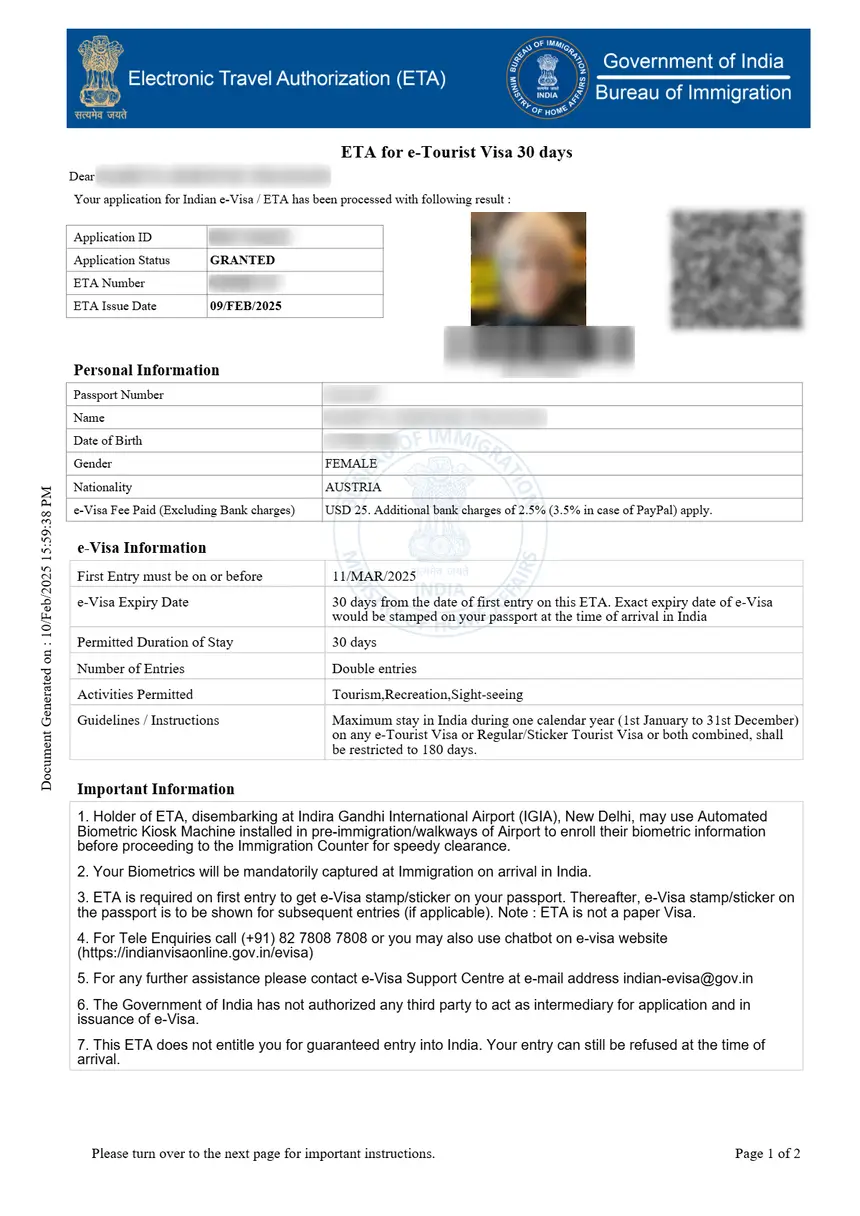
There is no visa on arrival facility for US citizens at Indian airports. You must secure your visa before boarding your flight. Airlines will deny boarding to passengers without a valid Indian visa or approved e-Visa ETA (Electronic Travel Authorization).
What Happens If You Arrive Without a Visa?
Indian immigration authorities will deny entry to any US citizen who arrives without a valid visa. You will be placed on the next available return flight at your own expense. Overstaying a visa in India also carries serious consequences, including fines, detention, and potential bans on future entry.
The e-Visa: The Easiest Option for Americans
The Indian e-Visa is the most convenient visa option for US citizens. You apply entirely online through the official portal at indianvisaonline.gov.in – no embassy visits, no mail-in paperwork, and no interviews required.
For a complete walkthrough of the application steps, see our How to Apply for India e-Visa Online guide.
e-Visa Categories Available to US Citizens
India offers several e-Visa categories. The one you need depends on your travel purpose:
| e-Visa Category | Purpose of Travel | Duration Options |
|---|---|---|
| e-Tourist (e-T1) | Sightseeing, visiting family, yoga retreats | 30-day, 1-year, 5-year |
| e-Business (e-B1, e-B5, e-B6) | Business meetings, trade, conferences | 30-day, 1-year |
| e-Medical | Medical treatment at recognized hospitals | 60 days |
| e-Medical Attendant | Accompanying an e-Medical visa holder | 60 days |
| e-Conference | Attending government-organized conferences | 30 days |
| e-Student | Enrolled in Indian educational institutions | Duration of course |
| e-Transit | Connecting through Indian airports | 60 days |
For a detailed breakdown of every visa type, visit our India Visa Types page.
e-Visa Fees for US Citizens
The e-Visa is significantly cheaper than applying through an embassy:
| e-Visa Duration | Government Fee (USD) | Bank Processing Fee | Total Approximate Cost |
|---|---|---|---|
| 30-Day e-Tourist | $25 | 2.5% – 3% (~$0.75) | ~$25.75 |
| 1-Year e-Tourist | $40 | 2.5% – 3% (~$1.20) | ~$41.20 |
| 5-Year e-Tourist | $80 | 2.5% – 3% (~$2.40) | ~$82.40 |
| 1-Year e-Business | $80 | 2.5% – 3% (~$2.40) | ~$82.40 |
For the full fee schedule across all categories, see our India Visa Fees guide.
Regular Visa at the US Embassy
If you need a visa type not available electronically (such as an Employment Visa or Entry Visa), or you prefer a longer-duration tourist visa, you must apply at an Indian embassy or consulate in the United States.
Regular Visa Fees for US Citizens
| Visa Type | Fee (USD) | Maximum Duration |
|---|---|---|
| Tourist Visa | $160 | Up to 10 years |
| Business Visa | $160 | Up to 5 years |
| Employment Visa | $160 | Up to 5 years |
| Student Visa | $80 | Duration of study |
| Transit Visa | $40 | 15 days |
| Entry Visa (X-Visa) | $160 | Varies |
US citizens pay among the highest regular visa fees due to reciprocal fee arrangements between the US and Indian governments.
When to Choose a Regular Visa Over an e-Visa
Consider applying at the embassy if:
- You need an Employment Visa (not available as an e-Visa)
- You want a 10-year tourist visa (the e-Visa maximum is 5 years)
- You need an Entry Visa (X-Visa) for specific purposes like research or missionary work
- Your e-Visa application was rejected and you want to apply with additional documentation
Passport Requirements for US Citizens
Regardless of whether you choose the e-Visa or a regular visa, your US passport must meet these requirements:
- Validity: At least 6 months from your date of arrival in India
- Blank pages: At least 2 blank pages for entry and exit stamps
- Condition: No damage, tears, or unauthorized modifications
For more details on passport specifications, see our India Visa Passport Requirements guide.
OCI Card: An Alternative for Frequent Travelers
If you travel to India frequently or have Indian heritage, the Overseas Citizen of India (OCI) card may be a better long-term option than repeatedly applying for visas.
| Feature | e-Visa | OCI Card |
|---|---|---|
| Validity | 30 days to 5 years | Lifetime |
| Application process | Online | In-person at embassy |
| Fee | $25 – $80 | $275 |
| Entry type | Multiple (1yr/5yr) | Multiple (unlimited) |
| Work permitted | No | No (except certain professions) |
| Voting rights | No | No |
| Agricultural land purchase | No | No |
The OCI card is available to former Indian citizens, their spouses, and their minor children. It grants lifetime visa-free entry to India but does not confer full citizenship rights.
e-Visa Processing Time for US Citizens
The standard processing time for an Indian e-Visa is 72 hours (3 business days). However, processing can take longer during peak travel seasons or if your application requires additional review.
Pro tip: Apply at least 4 to 7 days before your departure date to allow a buffer for any unexpected delays. You can apply up to 120 days before your intended travel date.
Quick Comparison: All Visa Options for Americans
| Factor | e-Visa | Regular Visa | OCI Card |
|---|---|---|---|
| Application method | Online | Embassy/consulate | Embassy/consulate |
| Processing time | ~72 hours | 5-10 business days | 4-8 weeks |
| Cost | $25 – $80 | $80 – $160 | $275 |
| Maximum validity | 5 years | 10 years | Lifetime |
| Best for | Most tourists & business travelers | Employment, long-term stays | Frequent travelers, Indian diaspora |
| Embassy visit required | No | Yes | Yes |
Frequently Asked Questions
Can US citizens travel to India without a visa?
No. US citizens must obtain a visa before traveling to India. There is no visa-free entry or visa on arrival for American passport holders. The e-Visa is the fastest and most convenient option, taking approximately 72 hours to process.
Is India visa free for US citizens?
No. India is not visa-free for US citizens. Every American traveler needs a valid visa – either an e-Visa (applied for online) or a regular visa (applied for at an Indian embassy or consulate). The cheapest option is the 30-day e-Tourist Visa at $25.
What visa do US citizens need for India?
Most US citizens traveling for tourism or business should apply for an India e-Visa. The e-Tourist Visa covers leisure travel in 30-day, 1-year, and 5-year durations. The e-Business Visa covers meetings and conferences. If you need an employment or long-term visa, you must apply at an Indian embassy.
How long does it take for a US citizen to get an Indian visa?
An Indian e-Visa typically processes within 72 hours (3 business days). A regular visa applied for at an Indian embassy takes 5 to 10 business days. Applying well in advance is recommended, especially during peak travel seasons like October through March.
Can US citizens get a visa on arrival in India?
No. India does not offer visa on arrival for US citizens. You must have an approved visa or e-Visa ETA before your flight. Airlines will check for a valid visa at check-in and deny boarding if you do not have one.
How much does an Indian visa cost for Americans?
The e-Visa costs between $25 (30-day) and $80 (5-year) plus a 2.5%-3% bank processing fee. A regular tourist or business visa at the embassy costs $160. The OCI card costs $275 but offers lifetime validity.
Do children with US passports need a visa for India?
Yes. Every US citizen, including infants and children, must have their own individual visa to enter India. Children cannot be included on a parent’s visa. The same e-Visa and regular visa options apply.
Can I extend my e-Visa while in India?
The 30-day e-Tourist Visa is non-extendable and non-convertible. The 1-year and 5-year e-Tourist Visas allow a maximum stay of 180 days per calendar year. If you need to stay longer, you must apply for a regular visa at an Indian embassy before your trip.
What is the official website to apply for an India e-Visa?
The only official website for India e-Visa applications is indianvisaonline.gov.in. Beware of third-party websites that charge inflated fees or collect personal data. Always verify the URL before entering your information.
Do US green card holders need a visa for India?
US green card holders who are not US citizens need a visa based on their actual nationality, not their US residency. Check India’s visa requirements for your passport country. US citizens – including green card holders who are naturalized – need a visa as described in this guide.